
Interior Comfort During Hot Months
Window Tinting in Belvidere for heat reduction, UV protection, and privacy in cars, trucks, and SUVs
Summer temperatures in northern Illinois create interior heat buildup that makes steering wheels, seats, and dashboards uncomfortably hot to touch even after brief parking periods. Automotive Solutions installs window tint film that blocks infrared radiation and ultraviolet light, reducing cabin temperature and preventing upholstery fading. The film is applied to interior glass surfaces using a slip solution that allows for precise positioning, then squeegeed to remove air and moisture before the adhesive cures. Installation follows Illinois tint regulations, which specify allowable visible light transmission percentages for front side windows to maintain legal compliance.
Tinting addresses excessive heat that forces air conditioning systems to work harder and use more fuel, UV exposure that cracks dashboards and fades seat fabric, and lack of privacy for cargo and personal items visible through rear windows. Quality tint films reject heat without creating a mirrored appearance that looks cheap or draws unwanted attention.
Request an appointment to review tint options and receive a quote based on your vehicle's window count and glass shape.
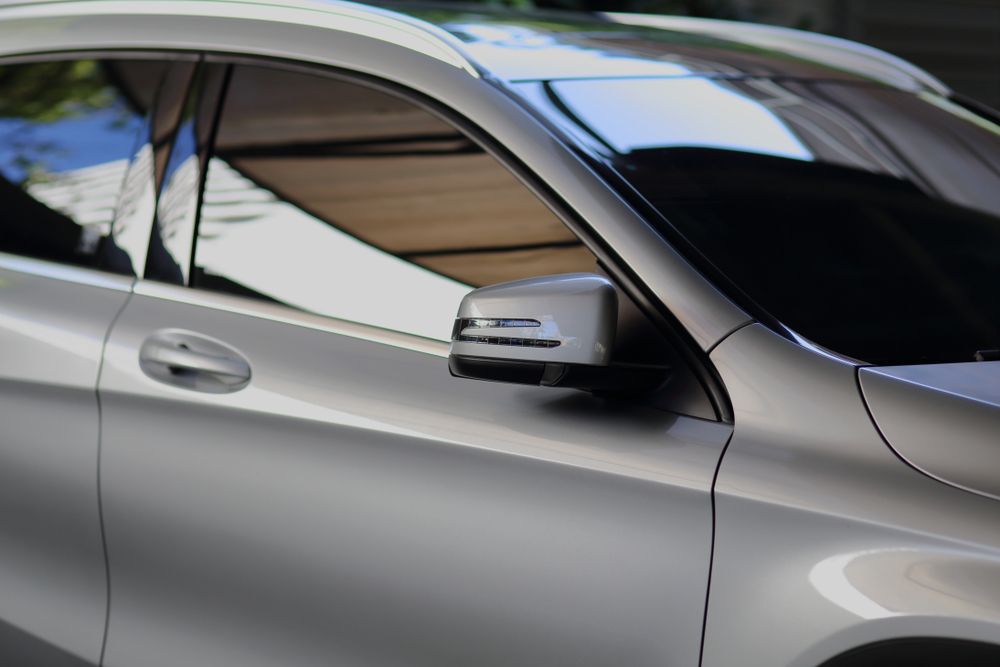
Why Clean Installation Prevents Future Problems
Each window is cleaned with detergent and scraped to remove factory coatings, adhesive residue, and contaminants that would create bubbles or hazy spots under the film. Tint material is cut slightly oversized, then trimmed to exact window dimensions during installation to ensure edge-to-edge coverage without gaps. The film is applied wet and worked from the center outward to eliminate air pockets, with careful attention to curved rear windows that require heat shrinking to conform without wrinkles.
Once tinting is complete, your vehicle's interior stays noticeably cooler when parked in direct sunlight, and the air conditioning cools the cabin faster because it's not fighting against continuous heat gain through untinted glass. UV protection prevents the dashboard from cracking and keeps seat colors from fading over time. Rear window tint adds privacy for items stored in the cargo area, and the darker interior reduces glare on the rearview mirror during night driving.
Tint darkness levels are measured by visible light transmission percentage, with lower numbers indicating darker film and higher numbers allowing more light through. Illinois law requires front side windows to transmit at least 35 percent of visible light, while rear windows and back glass can be tinted darker. Ceramic and carbon films offer superior heat rejection compared to dyed films and don't interfere with phone signals or GPS devices.
What Property Owners Usually Ask
Drivers considering tint installation want to know about legal limits, maintenance needs, and how different film types perform before committing to the service.
What tint shade is legal for front windows in Illinois?
Front side windows must allow at least 35 percent light transmission to comply with state regulations, while rear windows have no restriction, giving you flexibility for darker privacy tint on back glass and rear doors.
How long does window tint take to fully cure after installation?
The adhesive requires three to five days to cure completely depending on temperature and humidity, and during that time you should avoid rolling windows down or cleaning the film to prevent peeling or water spots.
What's the difference between dyed, carbon, and ceramic tint films?
Dyed films are the most affordable but fade over time, carbon films provide better heat rejection and don't fade, and ceramic films offer the highest heat blocking performance without interfering with electronic devices.
When should I expect bubbles or haze to disappear after installation?
Small bubbles and slight haze are normal immediately after installation and typically disappear within a few days as moisture evaporates and the adhesive fully bonds to the glass.
How do I clean tinted windows without damaging the film?
Use ammonia-free glass cleaner and a soft microfiber cloth, avoiding abrasive materials or paper towels that can scratch the film surface, and wait until the tint is fully cured before cleaning for the first time.
Automotive Solutions installs window tint for vehicles across Belvidere with attention to clean application and regulatory compliance. Set up an appointment to discuss film options and schedule installation that fits your timeline.